How the cycle is lived in other cultures
Wisdom and traditions
In many places, the period has been celebrated, cared for and told in very different ways. A journey to discover them.
Every people keeps its own ways of living the cycle. Here I tell them with respect, from the outside and eager to learn from those who live them. Many celebrate the first period as an important step in life; others honour the menstruation of the earth or of a goddess.
India, Sri Lanka and Japan
Raja Parba · Odisha, India
For three days in June, before the rains, people celebrate that Mother Earth is menstruating. The earth rests: no ploughing, no sowing. Girls wear new clothes, swing on swings decorated with flowers and share sweets.
Ambubachi Mela · Assam, India
At the Kamakhya temple, the menstruation of the goddess is honoured every year. For a few days the temple closes so she can rest, and then it reopens with a great celebration of fertility.
Manjal Neerattu Vizha · Tamil culture
With her first period, the family bathes the young girl in turmeric water, a symbol of health and purity. She wears new clothes and receives blessings and gifts at a big party.
Kotahalu Mangalya · Sri Lanka
In the Sinhalese tradition, the first period is celebrated with a ritual bath on an auspicious day, family jewellery passed down from generation to generation and a meal with neighbours and relatives.
Sekihan · Japan
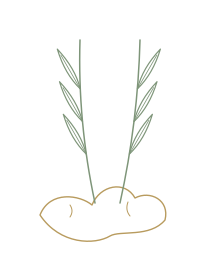
In some regions, families celebrated a daughter's first period by cooking sekihan, red rice with azuki beans. Red is the colour of joy and festivals.
Native peoples of North America
Sunrise Ceremony · Apache people
Na'ii'ees: after her first period, four days of ceremony in which the young woman embodies White Painted Woman, accompanied by a godmother and her whole community, who dance with her every night.
Kinaaldá · Navajo people (Diné)
For four nights and five days, the girl runs at every dawn, her hair is combed, and together with her family she bakes a large corn cake in the ground, which represents Mother Earth.
Berry fast · Ojibwe people
After her first period, the girl eats no strawberries or other berries for a year and learns from the grandmothers. At the end, she shares the berries she has gathered with her community.
Moon time · Yurok people
In northern California, menstruation has been lived as a time of great spiritual strength: of retreat, bathing in the lagoon and meditation.
Today
The red tent
Inspired by Anita Diamant's novel (1997), in many countries women's circles gather to rest, share and talk about the cycle, as in a tent from another time.
Can women go to the temple during their period?
Sadhguru, an Indian yoga teacher, explains where the custom of not going to the temple during your period comes from and whether it makes sense today.
An open investigation
This is just the beginning. I'm researching how the menstrual cycle has been and is lived in different cultures: their rites, their plants, their words and their silences. Little by little I'll share what I find on the blog, and one day I'd love to turn this journey into a documentary.
To go deeper: Blood Magic: The Anthropology of Menstruation, by Thomas Buckley and Alma Gottlieb (1988), a classic book about menstruation in the world's cultures.
Do you know a tradition?
Tell me how the cycle is lived in your family, your town or your culture. Every story is part of this research.